

No Logo, No Problem: How US Fashion Is Moving Beyond the Brand
, 閱讀時間3分鐘
, 閱讀時間3分鐘
American streetwear is moving past the logo — construction over branding, story over status, and the independent labels built for what comes next.
For two decades, American streetwear ran on a simple equation: bigger logo, bigger statement. The brand on your chest did the talking before you said a word. It worked, until it didn't — until everyone owned the same hoodie with the same name across it, and the statement stopped saying anything at all.
Something shifted. Not all at once, but unmistakably. The most interesting people in American fashion right now aren't the ones wearing the loudest name. They're the ones whose fit takes you a second longer to place — because you're not looking at a brand, you're looking at a choice.
This is fashion moving past the logo and into something harder to fake: identity. You can buy a name. You can't buy a point of view.
The old model sold belonging — wear this name, join this tribe. The new model sells something closer to authorship. The question isn't "what brand is that?" anymore. It's "what is that, and why did you pick it?"
Construction over branding. Heavyweight fabric, considered cuts, finishing details that reward a closer look — the kind of quality you notice by touching the garment, not by reading its tag.
Specificity over recognition. A piece that's clearly from somewhere, says something, means something — even if you can't immediately name the label. Recognition is no longer the goal. Distinction is.
Story over status. The new currency isn't "I can afford this brand." It's "I know something you don't yet." Cultural fluency replacing purchasing power as the thing worth signaling.
This isn't anti-brand. It's post-brand — a fashion culture mature enough to want more from clothing than a name doing all the work.
The brands capturing this moment aren't the legacy giants — they're small, design-led labels operating with the kind of focus a logo-driven machine can't replicate. Fewer SKUs. Sharper point of view. A willingness to let one strong idea carry an entire collection instead of diluting it across fifty products.
This is also why drop culture evolved the way it did. The early version was about scarcity for its own sake — hype manufactured, then sold. The version winning now is about intention: a small, considered release that says something specific, rather than a constant stream of content disguised as product.
Independent labels can move at the speed of an idea. That's the advantage no logo, however famous, can buy back.
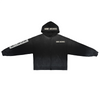
This is the terrain Obrava is built for. Three lines — Core, Kanji Dragon, Shinsei — each with its own internal logic rather than one brand mark stamped across everything. The story is the construction, the symbol, the restraint. The name on the label is secondary to what the piece is actually doing.
That's the bet underneath post-logo fashion: that people are smart enough to recognize craft without being told what it's called first. Build something specific enough, and the brand becomes the byproduct — not the headline.
American fashion isn't getting less expressive by moving past the logo. It's getting more precise. The loudest voice in the room isn't always the one saying the most — and an entire generation of dressers just figured that out.
No logo isn't a void. It's an invitation to actually look.